
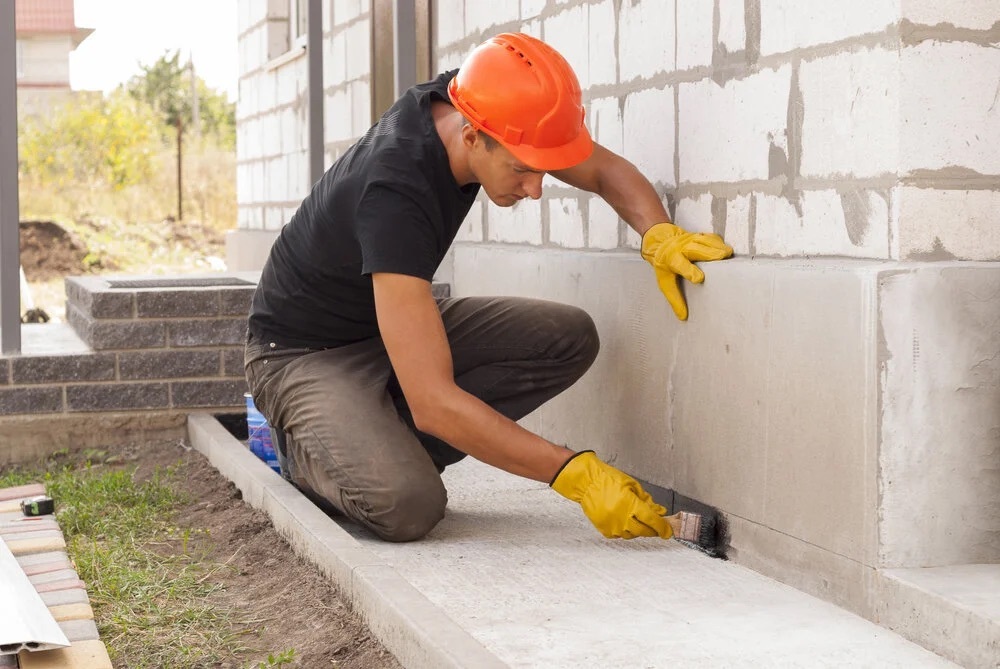
Concrete Foundation Repair Essentials in Virginia
A cracked or sinking foundation in Virginia isn’t just cosmetic—it’s a structural issue that can compromise the safety and value of your home. As soil shifts and moisture fluctuates, foundation settlement in VA homes is a growing concern. Homeowners who act early can avoid extensive and costly repairs.
This guide explains how to identify early signs of trouble, choose the right crack repair concrete foundation method, and understand what to expect from professional services like slab lifting VA or concrete underpinning.
Warning Signs of Foundation Damage
Wall Cracks & Gaps
Cracks in interior or exterior walls—especially horizontal or stair-step patterns—are classic signs of foundation issues. Gaps around window frames, doors, or baseboards also suggest movement beneath the home. These symptoms worsen over time, especially after rain or drought.
Crack width and direction matter. Small vertical cracks may be cosmetic. Wide, uneven, or horizontal cracks often indicate structural strain. If you notice shifting drywall seams or crumbling brick mortar, it’s time to call a professional.
Uneven Floors
Sagging or sloping floors are a key indicator of foundation settlement. You may notice doors sticking, cabinets pulling away from the wall, or uneven tiles. In crawl space or basement foundations, this often results from shifting piers or deteriorated support beams.
In Northern Virginia areas like Burke or Great Falls, homes with clay-heavy soils are particularly prone to foundation shifts that cause floor displacement.
Drainage/Sewer Tile Issues
Water is a primary culprit in foundation problems. Broken sewer lines or poor site drainage can soften or erode supporting soil, leading to voids under the slab.
Standing water near the base of your home or mildew along the foundation walls are major red flags. In Alexandria and Annandale, high water tables and old plumbing systems often accelerate these issues.
Repair Options & Methods
Crack Stitching
Crack stitching involves embedding steel rods across wall cracks and sealing them with grout or epoxy. It is ideal for non-structural cracks that are still growing but do not indicate a full failure.
This method improves tensile strength and prevents crack propagation. While it doesn’t fix settlement, it is often used alongside underpinning or drainage correction.
Underpinning & Slab Jacking
Concrete underpinning involves inserting piers beneath the foundation to transfer the load to stable soil layers. This is one of the most common solutions for foundation settlement that VA homes experience due to shifting clay or expansive soils.
Slab lifting VA, also called slab jacking or mudjacking, is ideal for sunken interior slabs. Professionals inject grout or polyurethane foam beneath the slab, lifting it back into place with minimal disruption.
These repairs are precise, non-invasive, and can often be completed in one to two days, depending on the severity.
Preventative Maintenance
Proper Grading
Grading your landscape to slope away from your foundation is critical to long-term health. A 5% grade (6 inches over 10 feet) ensures water flows outward, not inward.
Additions like French drains or swales can divert water effectively. Professional installers consider Virginia’s rainfall averages and soil type when designing drainage plans.
Moisture Management
Moisture extremes—too much or too little—cause soils to expand or contract, shifting the foundation. Installing downspout extensions, sump pumps, or vapor barriers can help maintain balance.
Homes in Clifton and Oakton benefit from routine gutter cleaning and seasonal foundation inspections to prevent water intrusion.
Comparison Table: DIY Patch vs. Professional Repair
| Aspect | DIY Foundation Patch | Professional Repair (Concrete Contractors Virginia) |
| Materials Used | Caulk, sealant, mortar | Epoxy, carbon fiber, steel piers, polyurethane |
| Structural Assessment | None or basic visual checks | Comprehensive diagnostics and soil testing |
| Durability | Low | High |
| Scope | Cosmetic coverage only | Structural stabilization and realignment |
| Warranty | None | Typically 5–10 years or more |
| Time & Tools Required | Basic hand tools, uncertain timeline | Heavy equipment, fast turnaround |
| Long-Term Cost | Higher (due to recurring failures) | Lower (lasting solution with fewer callbacks) |
Table Explanation: While DIY patches may offer a temporary fix, they rarely address the root cause. Without reinforcement or leveling, cracks return. Professional services not only repair but also prevent future damage, saving thousands over time.
Local Insights: Virginia Foundation Challenges
In Virginia, the mix of clay soils, freeze-thaw cycles, and heavy spring rains creates ideal conditions for foundation instability. Neighborhoods like Woodbridge and Arlington face unique challenges from older construction and saturated subgrades.
Homeowners near rivers or floodplains, such as in Alexandria, should be especially proactive with foundation repair Virginia services. Annual inspections, moisture control, and early intervention can prevent minor shifts from escalating into major structural failure.
Many homes in Annandale still rely on aging slab or crawl space foundations. Retrofitting these with pier systems or improved drainage helps maintain property value and livability.
FAQs
- Can cracks be sealed, or do they require repair?
Hairline cracks can often be sealed, but deeper or widening cracks usually require structural intervention. If the crack returns after sealing or grows over time, consult a professional. Cracks near load-bearing walls or windows should be taken seriously. Foundation shifts can impact more than just surface integrity. A professional inspection can determine if additional repairs are needed. - Does insurance cover foundation damage?
It depends. Most standard policies exclude foundation settlement unless it results from a covered event like a plumbing leak. Always check with your provider and consider add-on protection. Coverage may also depend on whether the damage was sudden or gradual. Keep detailed records and photos of the issue. It’s also wise to get an independent foundation evaluation. - What is slab jacking?
Slab jacking is a repair method where grout or foam is injected beneath a sinking concrete slab to lift it back into place. It’s fast, cost-effective, and doesn’t require slab replacement. The process is minimally disruptive and usually completed within hours. It’s best suited for patios, garage floors, or interior concrete surfaces. Proper soil assessment ensures slab jacking success. - How long does foundation repair take?
Most professional repairs take 1 to 3 days, depending on the scope. Crack stitching is faster, while underpinning may take longer if multiple piers are required. Timing can be affected by soil conditions and weather. Some methods allow for same-day use. Consult your contractor for a timeline based on your property specifics. - Will fixing one crack prevent new ones?
Not always. Cracks are often symptoms of deeper issues. Unless the underlying cause—like poor drainage or soil movement—is addressed, new cracks may appear elsewhere. Routine inspection and moisture control are key to prevention. Ask about warranties on repair methods. Foundation monitoring systems can also help detect future movement.
Stability Starts from Below
When it comes to foundations, the stakes are high. What starts as a minor gap or slope can evolve into a serious safety and financial burden. That’s why Virginia homeowners must prioritize regular inspections, moisture control, and prompt repairs.
Concrete Contractors Virginia brings unmatched expertise in crack repair concrete foundation, slab lifting VA, and concrete underpinning across diverse terrain and home styles. Their approach is proactive, precise, and tailored to local conditions.
With the right strategy, you can protect your home from further settlement and enjoy decades of structural peace of mind.
Stronger, Safer, and More Stylish – Get Epoxy Flooring Today!

Leave A Comment