
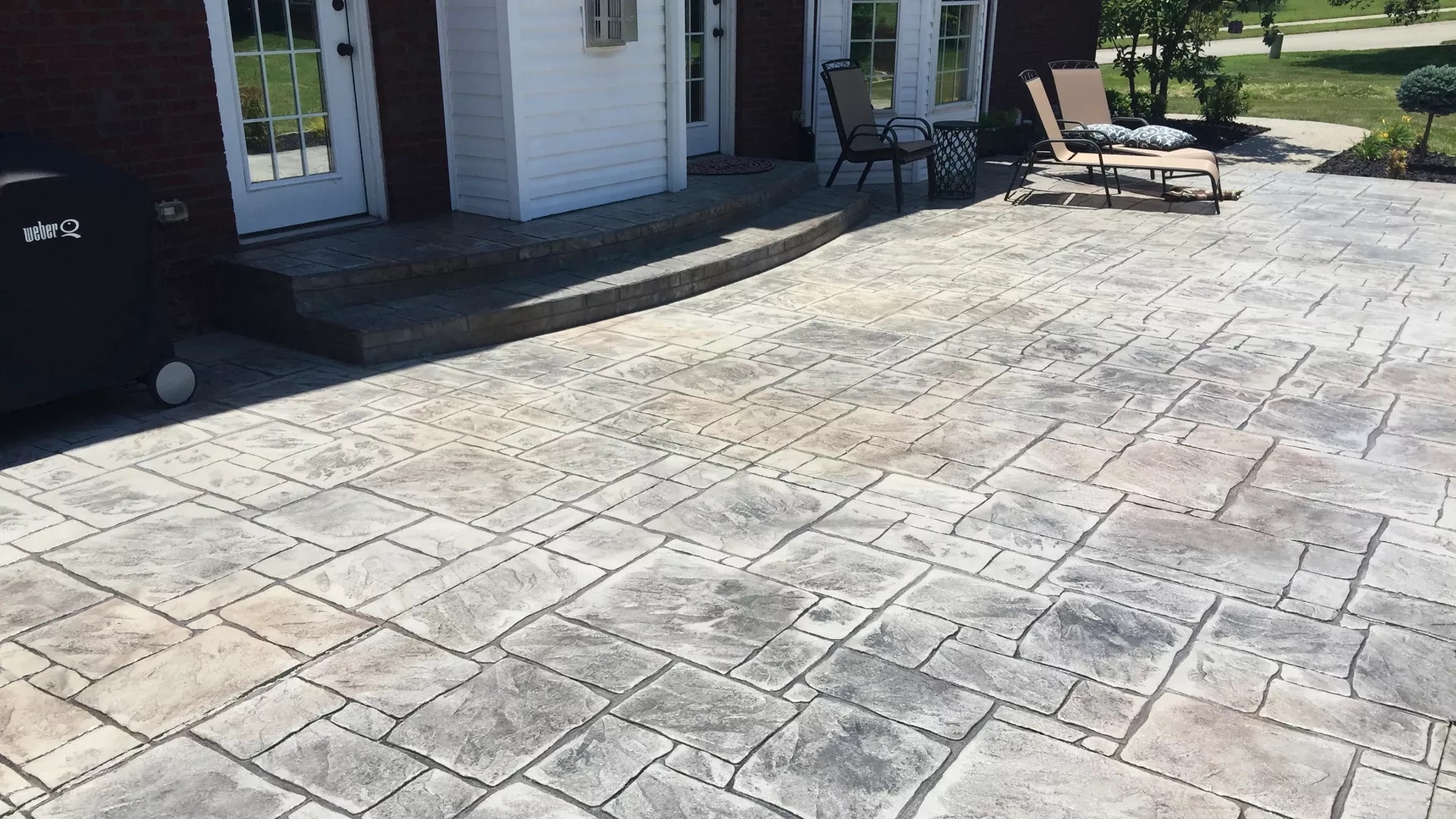
Why Stamped Concrete Is Ideal for Virginia Patios
Stamped concrete offers the best of both worlds—beauty and function. In Virginia, it’s a smart choice for patios that need to handle humidity, sun, and seasonal change without shifting like pavers. Its ability to mimic natural stone, wood, or tile while delivering better stability and easier upkeep makes it a top contender for homeowners across the state.
With rising material and labor costs, more Virginians are discovering the long-term value of stamped concrete for their outdoor spaces. It blends visual appeal with practical benefits that work well in everything from compact courtyards to expansive entertainment patios.
Stamped Concrete vs. Pavers or Natural Stone
Appearance & Customization
One of the biggest advantages of stamped concrete is its design versatility. Homeowners can choose from a wide variety of stamped concrete ideas that replicate the look of cobblestone, slate, flagstone, or even wood planks. Color hardeners and integral pigments allow for rich, fade-resistant tones that blend seamlessly with surrounding landscaping or architecture.
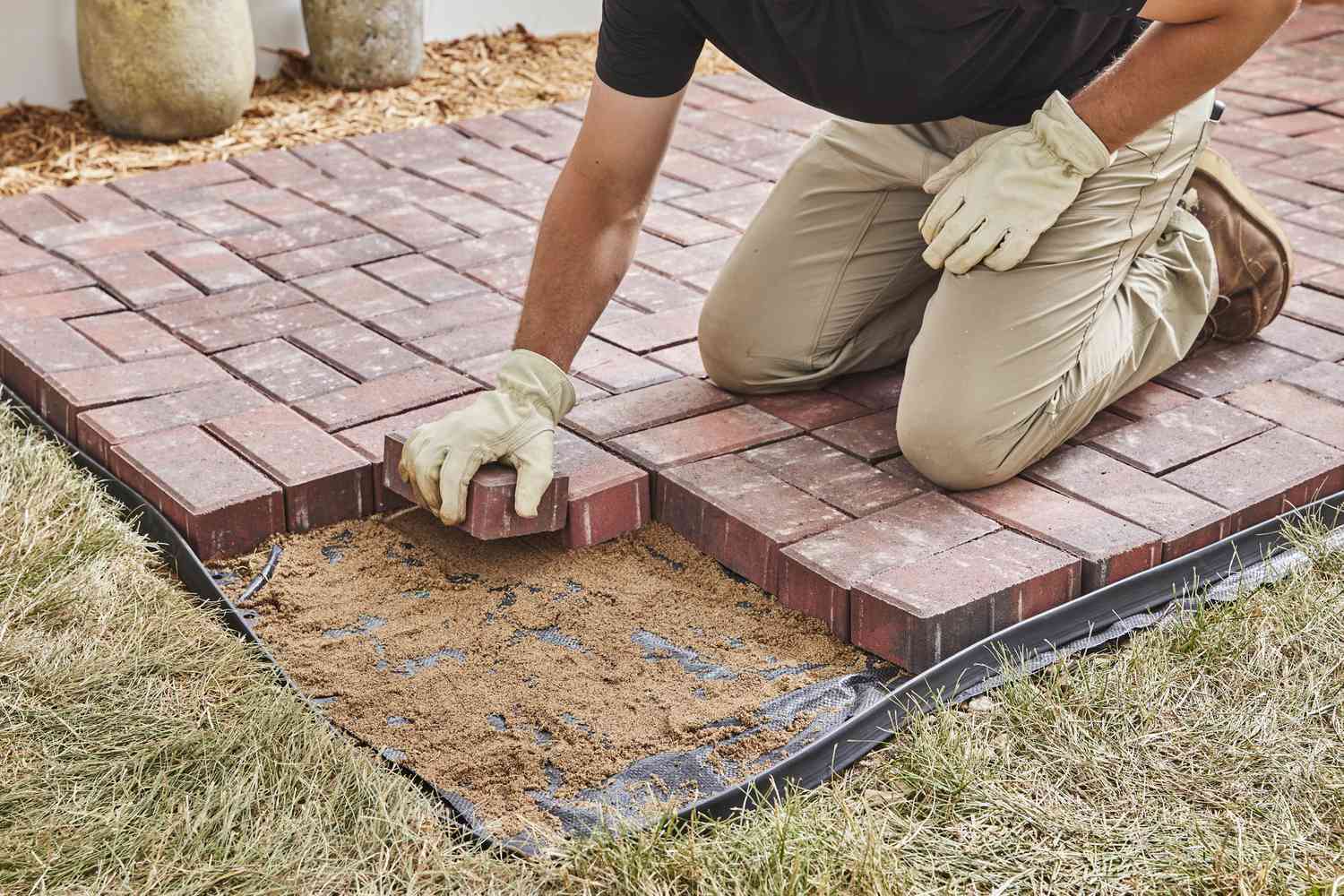
Pavers and natural stone are visually striking but often lack the continuous finish and seamless look of stamped concrete. Over time, pavers may shift, weeds can grow between joints, and settling creates tripping hazards. Stamped concrete remains a continuous surface that retains its aesthetic with far less disruption.
Installation Speed & Cost
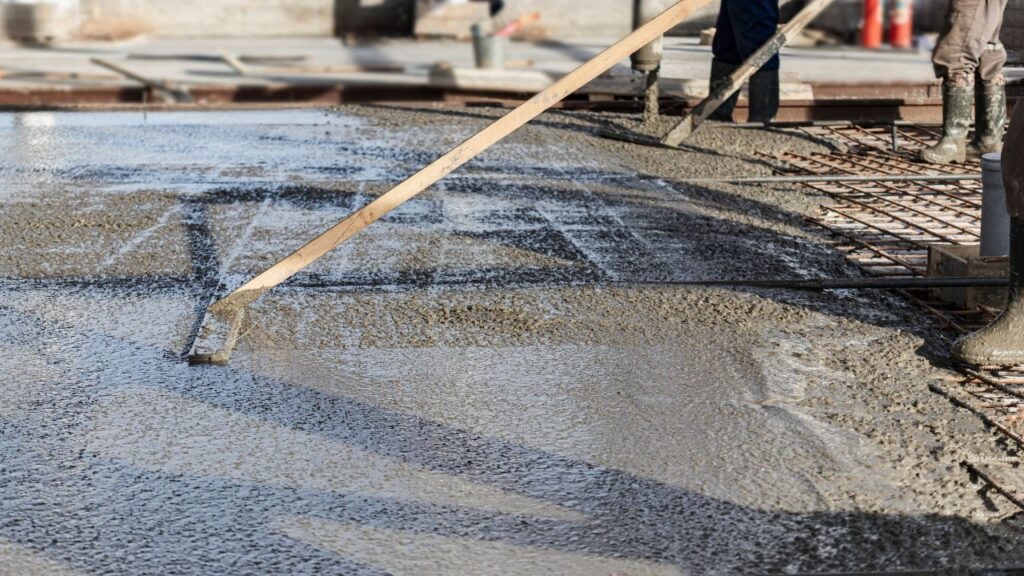
Installing a stamped concrete patio in Virginia is typically faster than laying individual pavers or setting stones. Once the slab is poured, the stamping process takes place while the concrete is still wet, followed by coloring and sealing.
This efficient process leads to lower labor costs and quicker project turnaround—ideal for homeowners who want their patios ready for spring or summer gatherings.
In comparison, natural stone patios require more time for leveling, alignment, and joint grouting, which can drive up both cost and complexity.
Long-Term Durability & Upkeep
Weather Resistance
Virginia’s climate poses challenges for outdoor surfaces: humidity, rain, freezing temperatures, and sun exposure all take a toll. Stamped concrete resists these elements better than segmented systems.
Unlike pavers that can shift due to frost heave or erosion, stamped concrete maintains its shape and position. When installed with proper base prep and expansion joints, it handles Virginia’s freeze-thaw cycles without cracking.
Sealers & Recoating
Stamped concrete requires minimal upkeep when sealed every 2 to 4 years. High-quality sealers enhance color retention, protect against UV damage, and prevent moisture intrusion that can lead to surface wear or cracks.
Unlike individual pavers, which may require releveling or joint sand replacement, stamped concrete maintenance is usually limited to resealing and occasional cleaning. In high-traffic areas or shaded patios in Woodbridge or Annandale, this low-maintenance feature makes stamped concrete especially attractive.
Popular Patterns in VA
Ashlar Slate, Herringbone, Cobblestone
These classic patterns are top picks for decorative concrete patio VA projects. Ashlar slate provides an upscale look without the irregular heights of true stone. Herringbone is ideal for narrow patios or walkways, offering directional interest and texture. Cobblestone adds a historic, rustic feel that complements colonial architecture seen in towns like Alexandria or Great Falls.
Wood Grain & Tile Looks
Modern stamped concrete can imitate wooden planks with incredible realism—right down to the grain and texture. These are great for homeowners seeking a natural aesthetic with better longevity than actual wood.
Tile patterns are also gaining popularity, particularly for patios near pools or outdoor kitchens. Their smooth, symmetrical layout offers a clean, contemporary vibe with superior weather resistance.
Comparison Table: Stamped Concrete vs. Alternatives
| Feature | Stamped Concrete | Pavers | Natural Stone |
| Installation Speed | Fast | Moderate | Slow |
| Customization Options | High | Moderate | Limited (depends on stone) |
| Maintenance Needs | Low | Moderate | High |
| Weed Resistance | Excellent | Poor | Poor |
| Freeze-Thaw Durability | High (with proper joints) | Moderate (may shift) | Varies |
| Long-Term Cost | Lower | Moderate | High |
Table Explanation: While pavers and stone have their place, stamped concrete outperforms in areas where speed, affordability, and unified design matter most. Its ability to deliver a decorative effect with structural resilience makes it the go-to choice for patio resurfacing VA homeowners.
Local Insights: What Virginia Homeowners Should Know
In Clifton and Arlington, sloped yards benefit from stamped concrete’s monolithic nature, which resists shifting and sliding. For shaded patios in Alexandria, sealers with anti-microbial additives help resist algae buildup.
Homeowners in Oakton and Burke report fewer winter-related patio issues when installing stamped concrete with proper drainage and a fiber-reinforced mix. Contractors who understand regional soil and seasonal patterns can ensure better performance and lifespan.
Working with local experts like Concrete Contractors Virginia helps you avoid costly errors and maximize your patio’s long-term beauty.
FAQs
- How long does stamped concrete last?
Stamped concrete patios can last 25 to 30 years with proper installation and maintenance. Sealers extend surface life, and regular inspections prevent minor damage from becoming major issues. Compared to pavers, it requires less upkeep and resists common issues like settling or edge sprawl. - Can it handle freeze-thaw cycles?
Yes. With control joints, air-entrained mixes, and proper subgrade preparation, stamped concrete handles Virginia’s freeze-thaw cycles well. Expansion joints allow for controlled movement and minimize cracking risk in colder months. - Does stamped concrete get slippery?
It can become slick when sealed with high-gloss finishes. However, additives like grit or slip-resistant sealers are available to improve traction. Many Virginia homeowners choose matte or satin sealers for this reason. - What maintenance is required?
Routine cleaning, resealing every few years, and checking for signs of wear are the main maintenance tasks. Avoid using harsh deicers in winter, and sweep away debris that may trap moisture. Compared to other materials, upkeep is minimal. - How much does it cost per sq. ft.?
In Virginia, stamped concrete patio installation typically ranges from $10 to $18 per square foot, depending on complexity, location, and finishes. It’s more cost-effective than stone and often comparable to high-end pavers, but lasts longer with less intervention.
Final Thoughts: Patio Perfection That Lasts
Stamped concrete is more than just a trend—it’s a smart solution for Virginia homeowners who want long-lasting beauty and function from their outdoor spaces. With endless design options, cost efficiency, and lower maintenance, it delivers a return on investment that outshines many traditional materials.
Whether you’re upgrading an existing slab or starting from scratch, working with trusted professionals like Concrete Contractors Virginia ensures flawless execution and region-specific recommendations.
Your perfect patio is only a call away.
Seal, Protect, and Enhance – Book Your Epoxy Installation Today!

Leave A Comment