
Why Concrete Driveways Are a Smart Long-Term Investment
Is your driveway cracked, stained, or sinking? It may be time to trade short-term fixes for a permanent solution. Concrete driveway installation is one of the most valuable home upgrades in terms of return on investment, durability, and visual appeal. A well-installed concrete driveway not only enhances your curb appeal but also withstands decades of heavy use with minimal maintenance.
For Virginia homeowners, where the weather can swing from hot and humid to icy and wet, concrete offers unmatched resilience. At Custom Masonry, we specialize in helping homeowners in Fairfax, Arlington, Alexandria, Springfield, and more choose long-lasting, cost-effective driveways tailored to their terrain and needs.
This comprehensive guide walks you through every angle of the process—from concrete driveway cost to selecting the best concrete mix for driveways and comparing it with asphalt. Whether you’re a new homeowner or replacing an old slab, we’ve got you covered.
Concrete Driveway Installation Process – What to Expect
Understanding the concrete driveway installation process can help you budget properly and avoid costly mistakes. Here’s what a typical installation entails:
- Planning & Permits: Your contractor will evaluate your site, secure necessary permits, and map drainage paths to avoid water pooling.
- Excavation: The existing surface (grass, old concrete, or asphalt) is removed to a depth of 7–10 inches.
- Base Preparation: A compacted gravel base (typically 4–6 inches) is laid to promote drainage and prevent shifting.
- Formwork: Wooden forms define the driveway’s shape and hold the concrete in place.
- Rebar or Mesh: Steel reinforcements are placed to add tensile strength and minimize cracking.
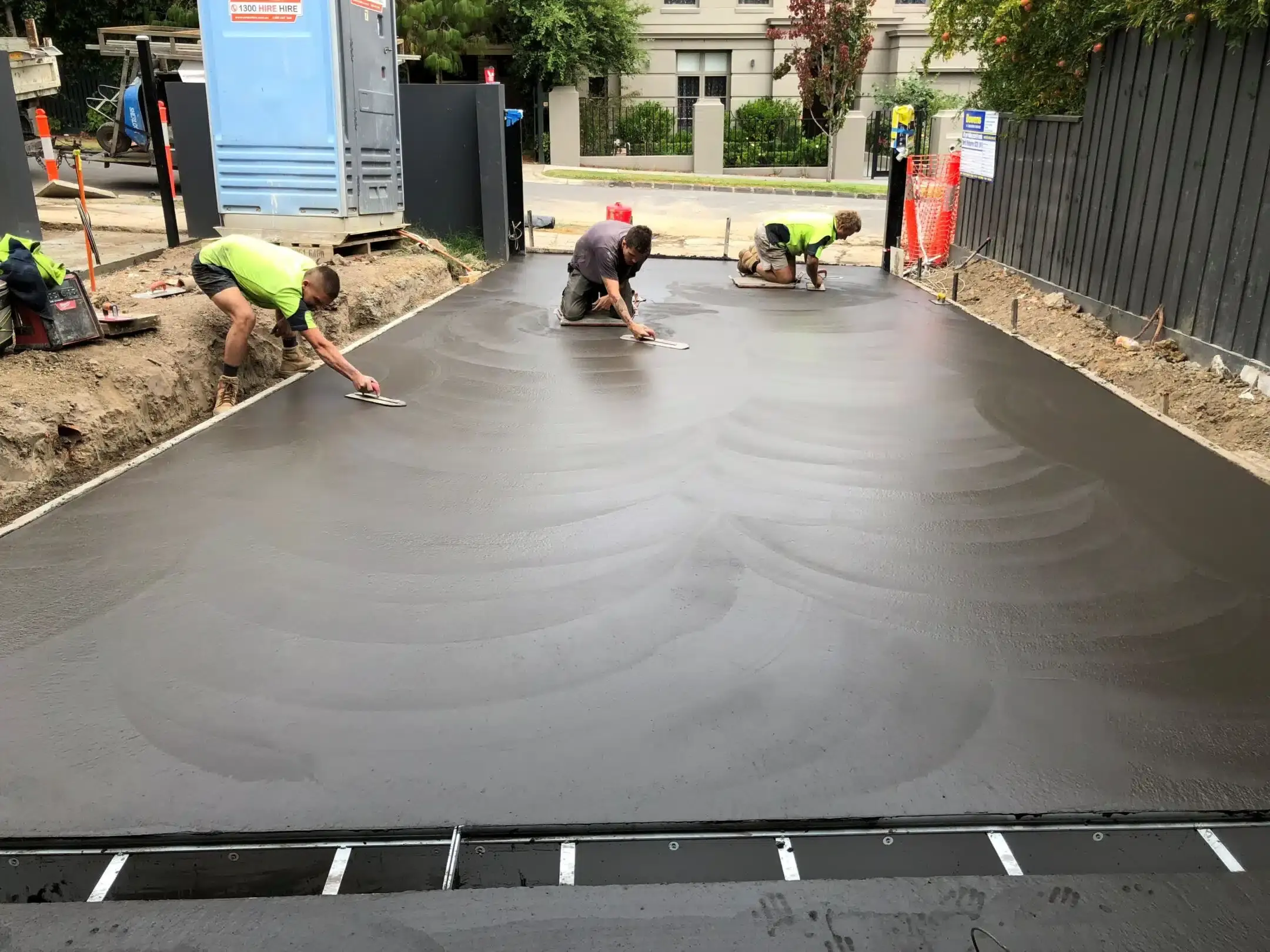
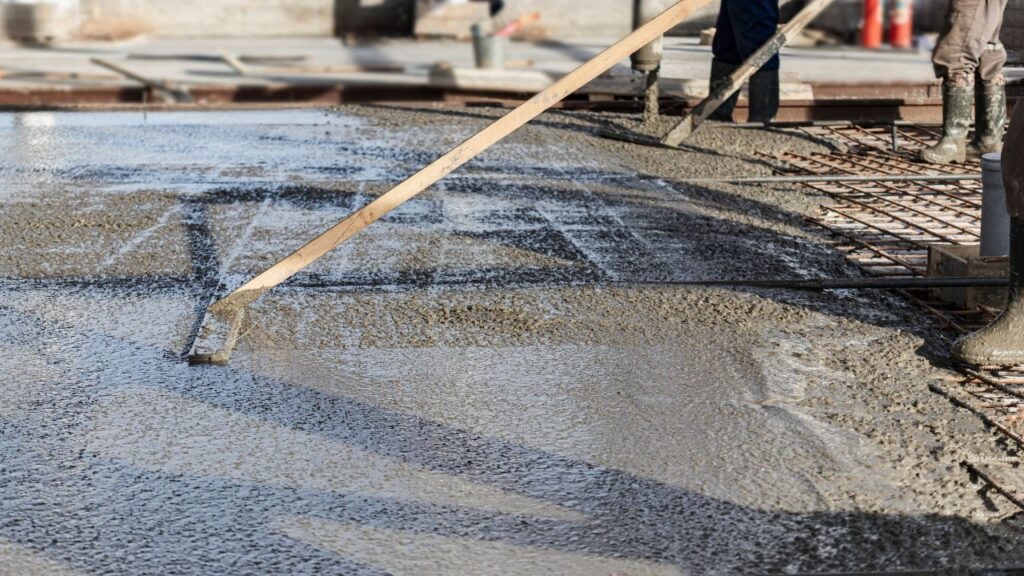
- Pouring Concrete: The concrete is poured, spread, and leveled using a screed board.
- Finishing: The surface is smoothed, brushed for texture, and edged for clean borders.
- Curing: The concrete must cure for at least 7 days (ideally 28) to reach maximum strength.
Every phase of the job matters. Hiring professional concrete driveway contractors ensures precision in slope, drainage, and finishing—key to a durable, problem-free driveway.
How Thick Should a Concrete Driveway Be?
Thickness matters. In fact, it’s one of the most critical factors in your driveway’s lifespan. So, how thick should a concrete driveway be?
- Standard Passenger Vehicles: 4 inches is typically sufficient for homes with light vehicle traffic.
- Heavy Loads (RVs, trucks): 5–6 inches is recommended for areas supporting frequent or heavier loads.
- Sub-base Consideration: The total system includes the gravel sub-base. A thicker base can reduce the need for overly thick concrete.
Keep in mind that climate, soil type, and water drainage can all influence the necessary thickness. In Virginia, freeze-thaw cycles require professional grading and water management to avoid heaving or cracking. At Custom Masonry, we assess these variables during our on-site evaluations to ensure your concrete performs year-round.
Comparison Table: Concrete Driveways vs. Asphalt – Which Is Better?
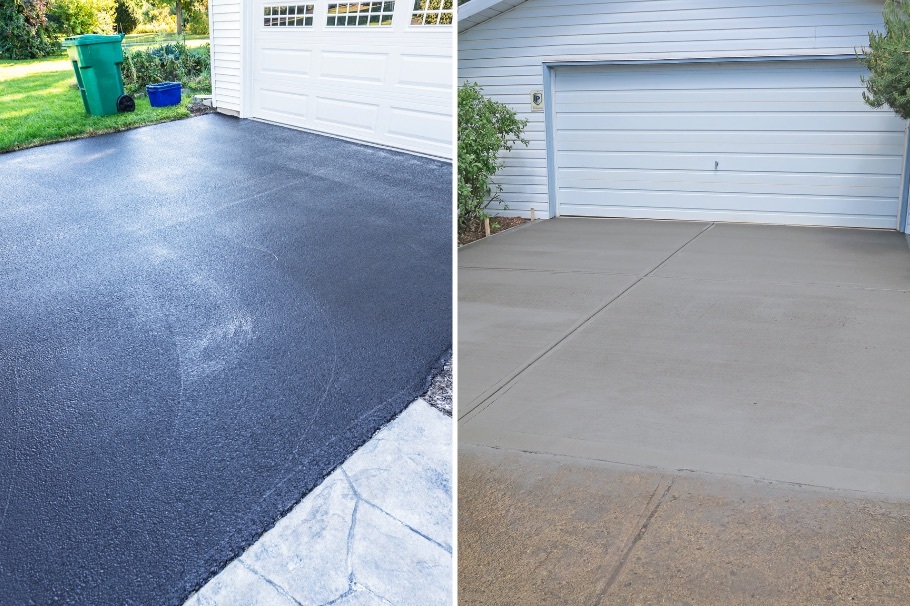
Before you commit, let’s explore concrete driveway vs asphalt in a head-to-head comparison. Each has its strengths, but concrete is gaining traction due to its long-term savings and customizability. Evaluating your goals and local climate can help you choose the best material for your property.
Choosing the Right Surface for Your Driveway
| Feature | Concrete Driveway | Asphalt Driveway |
| Lifespan | 30–40 years | 15–20 years |
| Maintenance | Low (sealing optional) | Requires resealing every 3–5 yrs |
| Appearance | Smooth, customizable finishes | Matte black, limited options |
| Cost | $4–$10 per sq ft | $3–$7 per sq ft |
| Heat Resistance | Superior | Softer in high heat |
| Load Tolerance | Excellent for heavy vehicles | Prone to ruts |
| Environmental Impact | Low VOC, recyclable | Higher petroleum content |
| Winter Performance | Better with salt & snow removal | Heats faster, melts snow quicker |
Concrete wins for long-term performance, appearance, and durability—especially for homeowners who want to invest once and forget about it.
Concrete Driveway Cost – What You Can Expect
Concrete isn’t the cheapest upfront option, but its longevity makes it the most cost-effective. Here’s a breakdown of the typical concrete driveway cost:
| Cost Factor | Average Price Range |
| Materials (concrete, gravel, rebar) | $2–$4 per sq ft |
| Labor (grading, pouring, finishing) | $3–$6 per sq ft |
| Total Installed Cost | $5–$10 per sq ft |
| 2-Car Driveway (400 sq ft) | $2,000–$4,000 |
Add-ons like colored concrete, stamped designs, or integrated drainage will affect your final price. But remember—concrete rarely requires major repairs if installed correctly, whereas cheaper options like gravel or asphalt come with frequent maintenance expenses.
Need exact pricing for your location? Custom Masonry provides free estimates for customers across Burke, McLean, Herndon, and Vienna.
Local Insights: Concrete Driveways That Work in Virginia
Virginia’s climate and terrain can make or break your driveway—literally. Here’s how concrete driveways hold up in some of our key service areas:
- Fairfax & McLean: Smooth finishes and custom textures match upscale properties while offering excellent load capacity for multi-car households.
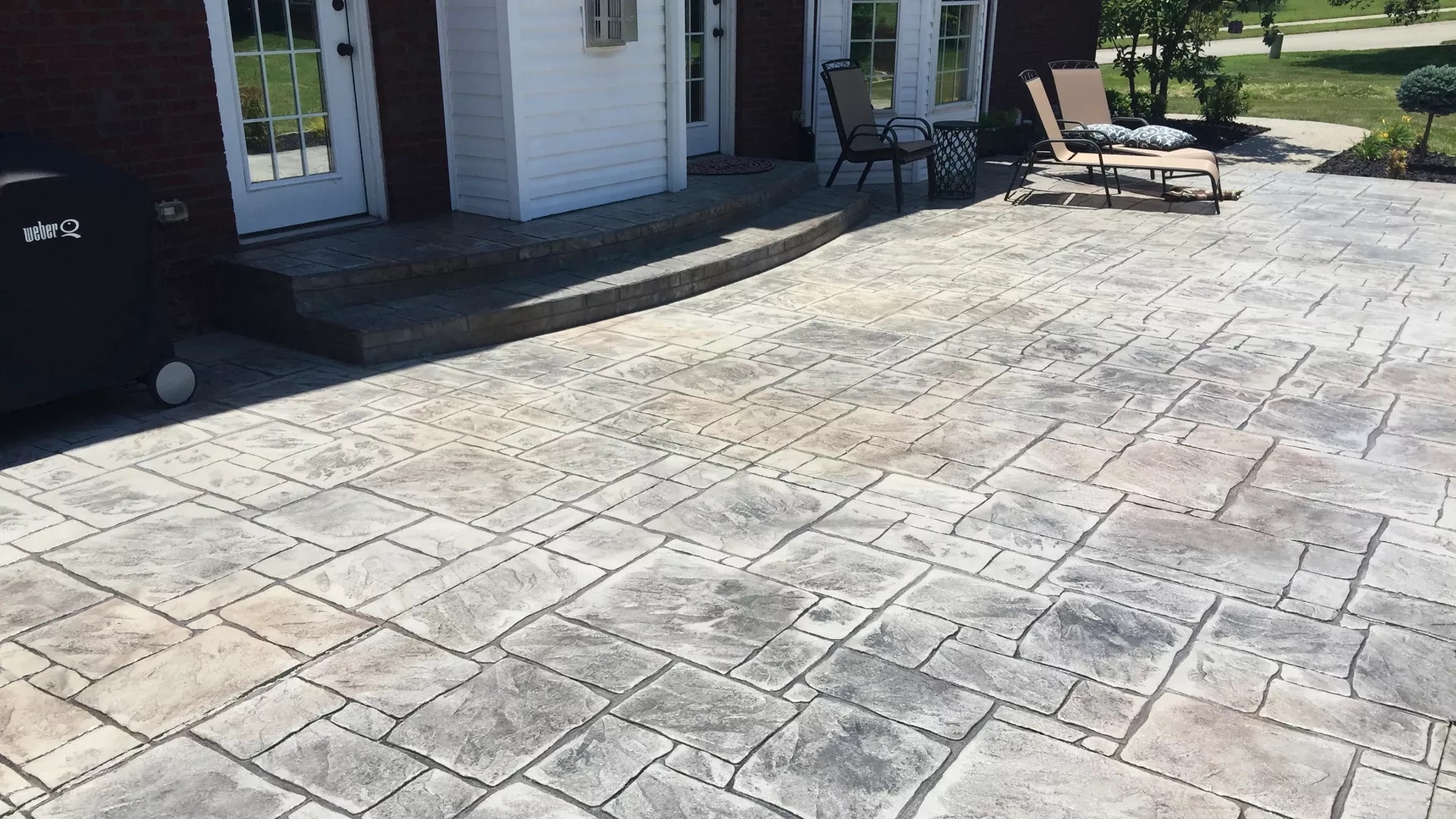
- Alexandria & Arlington: Decorative finishes like exposed aggregate or stamped concrete elevate curb appeal in historic or modern neighborhoods.
- Springfield & Vienna: Homeowners choose reinforced concrete for longevity through freeze-thaw cycles and heavy summer rains.
- Herndon & Great Falls: Sloped lots benefit from expert drainage planning and thicker sub-bases to prevent runoff damage.
At Custom Masonry, we don’t believe in one-size-fits-all solutions. We evaluate soil conditions, climate risks, and homeowner preferences to install driveways built for long-term reliability.
What’s the Best Concrete Mix for Driveways?
Concrete is not all created equal. The best concrete mix for driveways balances compressive strength, flexibility, and finishability. Here’s what we recommend:
- Compressive Strength: 4000 psi is the industry standard for residential driveways.
- Air Entrainment: Essential for Virginia’s freeze-thaw cycles; tiny air bubbles help prevent cracking.
- Aggregate Size: ¾ inch is common for stability without making the mix too stiff.
- Water-to-Cement Ratio: Lower water content improves strength and reduces shrinkage cracking.
- Additives: Consider adding fiber reinforcement or plasticizers for additional flexibility and crack resistance.
DIYers often overlook mix quality, but it’s the foundation—literally—of your entire installation. Professional concrete driveway contractors like us customize the mix based on driveway size, slope, exposure to sunlight, and freeze cycles.
FAQ: Concrete Driveway Installation Questions Answered
Q: How long does it take to install a concrete driveway?
Most residential driveways take 2–3 days to install, plus 7–10 days of curing time before it’s ready for full use. Larger projects or those requiring demolition of old surfaces may take longer. Cure time ensures structural integrity and long-term performance. For best results, avoid traffic until the concrete has set fully.
Q: When can I drive on new concrete?
You can typically walk on your new driveway after 24–48 hours, but cars should stay off for at least 7 days—longer in cooler weather. Full curing takes about 28 days. Always follow your contractor’s timeline. Premature traffic can lead to surface damage or early wear.
Q: What causes concrete to crack?
Cracks occur from shrinkage, poor sub-base prep, or lack of control joints. We use fiber reinforcement and place joints strategically to minimize the chance of visible cracks. Seasonal movement and temperature swings also contribute. Regular inspection helps catch problems early.
Q: Does concrete require sealing?
Sealing is optional but recommended every 3–5 years to protect from stains, moisture intrusion, and freeze damage. Especially important if you’re using decorative concrete. It also enhances the appearance and longevity. Sealed concrete is easier to clean and resists oil and chemical spills.
Q: How long will my concrete driveway last?
With proper installation and occasional maintenance, your concrete driveway can last 30 to 40 years or longer—especially when paired with good drainage and weather resistance features. High-quality materials and experienced installation play a crucial role. Sealants and proper thickness further extend its life.
Your Driveway Deserves More Than Just a Surface
Your driveway isn’t just the path to your garage—it’s the welcome mat to your home. Choosing concrete driveway installation means investing in long-term performance, visual appeal, and added property value. It’s not just about what’s under your tires; it’s about the peace of mind knowing that your driveway won’t crack, crumble, or fade anytime soon.
At Custom Masonry, we bring over 15 years of experience helping Virginia homeowners—from Lorton to Falls Church, Oakton to Reston—install concrete driveways that perform beautifully in every season. We tailor every installation to your needs, ensuring the right mix, thickness, slope, and finish for lasting results. Our team is equipped with industry-leading tools, materials, and installation techniques to deliver professional, code-compliant results every time.
Whether you’re enhancing curb appeal or replacing a worn-out slab, we approach each project with precision and care. We believe in transparent pricing, reliable scheduling, and thorough post-installation support. Your driveway deserves more than a quick pour—it deserves craftsmanship and commitment.
Epoxy Flooring That Lasts – Get Your Free Estimate!
Call Custom Masonry today to schedule a consultation and take the first step toward a driveway that stands the test of time.

Leave A Comment