
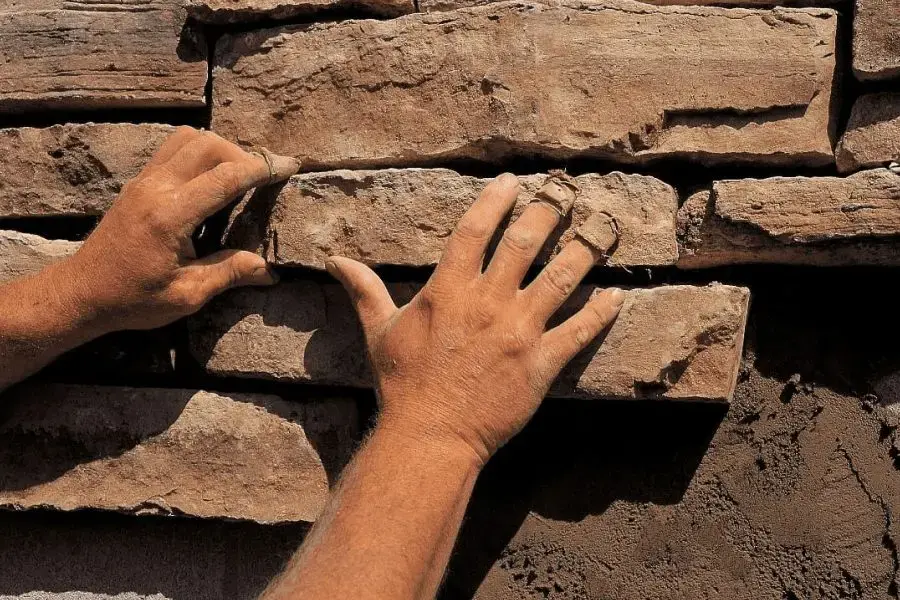
The Art and Purpose of Stone Wall Installation
Stone walls have served as architectural icons for centuries. Whether framing a garden or anchoring a hillside, they symbolize permanence and rustic charm. In Virginia, where historical and natural beauty intertwine, stone wall installation provides both functional support and aesthetic enhancement. From supporting sloped yards to adding character to entryways or patios, a well-crafted stone wall makes a powerful visual statement.
At Custom Masonry, we specialize in custom stone wall installation throughout the state. Whether you’re interested in a dry stack stone wall, a full-masonry structure, or a stone veneer wall, we bring expert craftsmanship and local experience to every build. We’ll help you compare techniques, understand material options, and explore decorative stone wall ideas for landscaping that elevate your outdoor environment.
In this blog, we’ll explore installation methods, costs, benefits, and considerations unique to Virginia landscapes.
Dry Stack vs Mortared Stone Wall Installation
Choosing between dry stack stone wall installation and mortared techniques is one of the first decisions you’ll face. Each has unique characteristics and applications:
Dry Stack Stone Walls
- No mortar required: Stones are fitted naturally.
- Rustic aesthetic: Ideal for garden beds, walkways, or property lines.
- Flexible and breathable: Allows water to pass through, minimizing pressure.
- Cost-effective: Lower material and labor costs, but still strong.
Mortared Stone Walls
- Structural integrity: Ideal for tall or load-bearing walls.
- Smooth finish: Can be customized with various joint styles.
- Long lifespan: Proper installation offers durability for decades.
- Higher cost: Involves more labor and materials.
Understanding the dry stack stone wall installation cost compared to mortared options can help guide your project. Custom Masonry evaluates slope, drainage, and aesthetic goals to help determine the best fit.
Comparison Table: Stone Wall Types and Characteristics
This table outlines the primary differences between stone wall construction methods. Whether you’re prioritizing appearance, structural strength, or cost, these insights can clarify your decision-making process.
| Feature | Dry Stack Stone Wall | Mortared Stone Wall | Stone Veneer Wall |
| Installation Cost | $$ | $$$ | $$$$ |
| Structural Strength | Moderate (non-load) | High (load-bearing) | Low to Moderate |
| Appearance | Rustic, Natural | Clean, Customizable | Polished, Versatile |
| Maintenance | Low | Moderate | Moderate |
| Installation Time | Faster | Longer | Medium |
| Ideal Use Case | Garden beds, borders | Retaining walls, fences | Decorative facades |
Each type of wall serves a different purpose. By comparing materials and techniques, homeowners can align their design vision with their structural needs and budget.
Masonry Stone Wall Construction Techniques
At the heart of every strong wall lies skilled masonry stone wall construction techniques. These methods ensure longevity, durability, and visual consistency:
- Foundation preparation: Proper trenching, gravel base, and leveling.
- Stone selection: Matching stone types for size, color, and texture.
- Dry stacking or mortar setting: Depending on the wall function and aesthetic.
- Joint finishing: For mortared walls, joints can be recessed, flush, or over-grouted.
- Drainage systems: Installing weep holes or gravel backfill to reduce hydrostatic pressure.
- Capstones: Topping the wall for structural lock and design flair.
Whether you’re building with fieldstone, limestone, or blue stone, quality craftsmanship makes a difference. Custom Masonry uses time-tested techniques adapted to Virginia’s climate and soil.
Local Insights: Stone Wall Trends in Virginia
Virginia’s historical character lends itself beautifully to stone walls. Here’s what we’re seeing across the state:
- Charlottesville & Shenandoah Valley: Dry stack fieldstone walls align with rustic countryside homes and historical aesthetics.
- Northern Virginia (Fairfax, Arlington): Clean-cut mortared walls provide structure in modern gardens and urban developments.
- Richmond suburbs: Clients favor decorative stone wall ideas for landscaping, like curved low walls surrounding patios or outdoor kitchens.
- Virginia Beach & Coastal Areas: Weather-resistant stone veneer walls protect against salt air while elevating curb appeal.
Our approach is always site-specific—matching materials and techniques to your property’s location, style, and purpose.
How to Build a Natural Stone Retaining Wall
Building a natural stone retaining wall requires a balance of artistry and engineering. Here’s a simplified breakdown of how to build a natural stone retaining wall:
- Planning & Design: Determine location, height, drainage, and wall type.
- Excavation: Dig a trench below the frost line and tamp down a gravel base.
- First Course: Lay the largest stones with maximum surface contact.
- Backfill & Drainage: Add gravel and install landscape fabric or piping.
- Stacking: Carefully stack stones, ensuring level and staggered joints.
- Capping: Finish with large, flat stones for a secure top.
This DIY approach works for short dry stack walls. For taller or structural applications, it’s best to consult professionals like Custom Masonry.
FAQ: Stone Wall Installation Answers
Q: What’s the difference between a stone veneer wall vs full stone wall?
A stone veneer wall uses thin slices of stone applied to a concrete or block backing—great for decorative use. A full stone wall is structurally solid with actual stone throughout, offering more durability and strength. Veneer is lighter and easier to install, while full stone delivers timeless authenticity and load-bearing capability.
Q: Are dry stack stone walls durable?
Yes, especially for non-load-bearing uses. Their flexibility helps them adapt to ground movement. When installed correctly, dry stack walls can last decades. Regular maintenance and proper drainage will extend their lifespan even further.
Q: How much does stone wall installation cost?
Costs vary widely by wall type, stone material, and terrain. On average, expect $30–$60 per square foot for dry stack, and $45–$80 for mortared walls. Veneer installations may cost more depending on the backing material and finish detail.
Q: Do I need permits for a stone wall in Virginia?
For walls above 3 feet or in areas with zoning regulations, yes. Custom Masonry handles permitting to ensure your wall complies with local codes and safety standards.
Q: Why hire a masonry contractor for stone walls?
Professional masons offer expertise in foundation, drainage, and stonework precision. The advantages of hiring a masonry contractor for stone walls include reduced risk of collapse, better aesthetics, and compliance with building codes.
Build a Legacy with Stone
Stone walls are more than barriers—they’re lasting testaments to quality and craftsmanship. Whether used to retain soil, border a patio, or add historic flair, a professionally installed stone wall enhances your property’s value and beauty for generations.
At Custom Masonry, we specialize in delivering timeless results with expert masonry stone wall construction techniques. From decorative stone wall ideas for landscaping to complex structural installations, we bring vision to life with every project. Our work spans residential homes, estates, and historic districts across Virginia.
We offer complete support—from design consultation to excavation, permitting, and finishing. Whether you’re looking to replicate the feel of an 18th-century estate or modernize your landscape with minimalist walls, we tailor each solution to your unique space and goals.
Let your landscape tell a story of permanence and style. Contact Custom Masonry today for a quote and design consultation on your next stone wall installation in Virginia.

Leave A Comment