
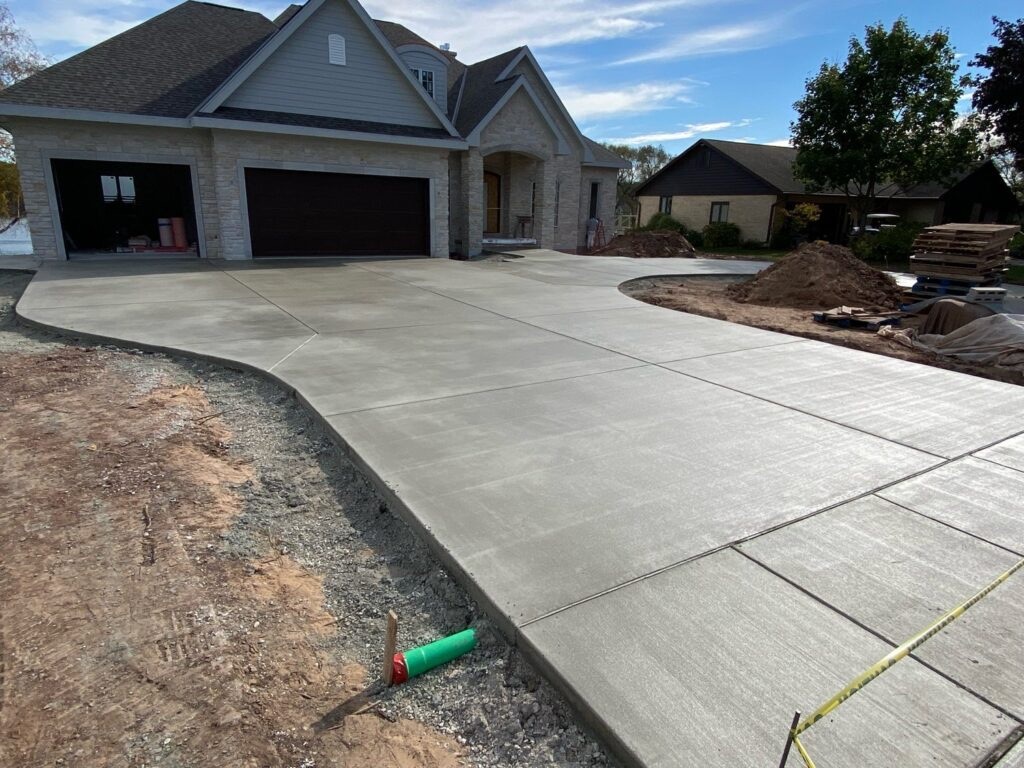
Building a High-Quality Concrete Driveway in Virginia
For Virginia homeowners, a concrete driveway is more than a parking surface—it’s an investment in convenience, curb appeal, and property value. With proper planning and expert installation, your driveway can last 20 years or more, resisting Virginia’s unpredictable weather.
This essential guide walks you through the complete process: from permits to pouring, curing to crack prevention. Whether you’re upgrading an existing slab or starting from scratch, here’s everything you need to know about driveway installation in VA.
Planning Phase
Measuring & Permits
Proper planning begins with precise measurements and permit applications. Most Virginia municipalities require permits for concrete driveway installation, especially when connecting to sidewalks, streets, or modifying drainage.
Contractors like Concrete Contractors Virginia understand the permitting process in cities like Alexandria, Burke, and Arlington, ensuring that all regulatory boxes are checked before breaking ground.
Accurate measurements also determine material needs, slope calculations, and expansion joint placement. These small details prevent water pooling, structural shifting, and premature cracking.
Drainage Planning
Drainage can make or break your driveway’s performance. Without proper grading, water may seep into your foundation or create icy hazards in winter. Virginia’s rainfall and freeze-thaw cycles demand thoughtful slope design.
Driveways should ideally slope 1–2% away from the home, often paired with a trench or French drains for added protection. This ensures that runoff travels away from critical structures—a detail reinforced concrete driveways rely on.
Installation Process
Base Prep & Reinforcement
Every great driveway starts with a solid foundation. Base prep includes excavation, compaction, and the addition of gravel or crushed stone, typically 4 to 8 inches deep. This layer improves drainage and helps prevent shifting.
Next comes reinforcement. A reinforced concrete driveway uses either steel rebar or welded wire mesh to resist cracking and settle more evenly. Reinforcement is especially crucial in concrete slabs in VA, which must handle winter heaving and vehicle weight.
Pouring & Finishing
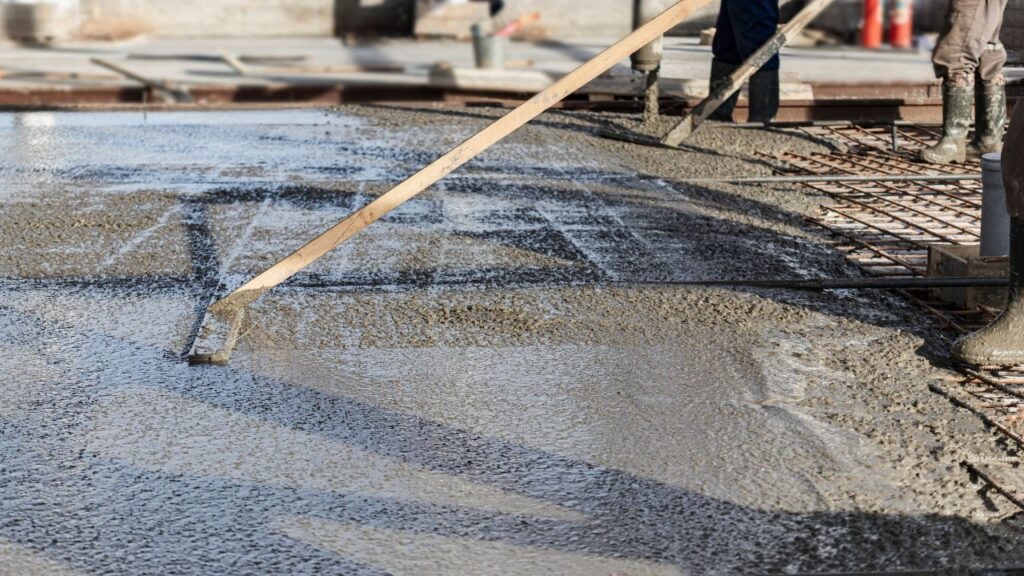
Once the base is ready, professionals mix and pour concrete to a recommended thickness of 4 inches for standard use or 5–6 inches for heavy vehicles. Slabs must be leveled and smoothed using screeds, trowels, and finishing tools.
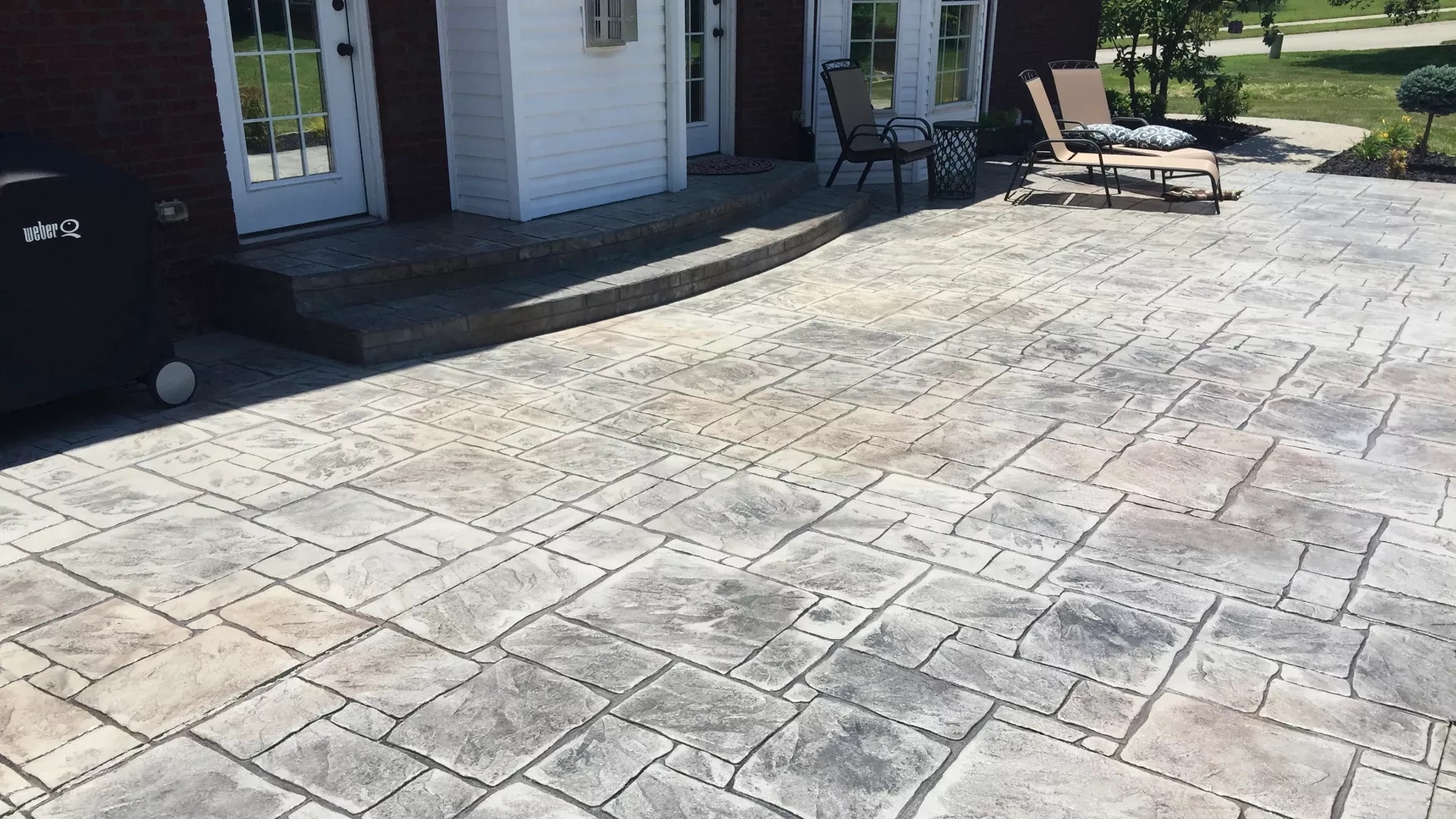
Control joints are cut at regular intervals to prevent random cracking. Finishing options include broom-textured surfaces for slip resistance or exposed aggregate for visual appeal.
Timely finishing is critical—overworking the surface or waiting too long can lead to discoloration and weak spots.
Post-Installation Care
Curing Best Practices
Curing allows concrete to reach maximum strength. Without proper curing, your slab is prone to cracking, dusting, or early deterioration. In Virginia’s fluctuating weather, it’s crucial to follow best practices.
The slab should be kept moist for at least 7 days, either by misting, covering with wet burlap, or using a commercial curing compound. Avoid vehicle traffic for at least 7 days, and full strength is usually achieved by day 28.
Preventing Crack & Stain Issues
Even properly poured concrete can crack if exposed to excessive pressure or improper curing. Routine maintenance includes sealing every 2 to 3 years to guard against water, salts, and stains.
To prevent oil or salt damage, use absorbent mats or trays. During winter, opt for calcium chloride instead of harsh de-icers. These small actions help extend the life of your driveway significantly.
Comparison Table: DIY vs. Professional Driveway Installation
| Feature | DIY Approach | Professional Installation (Concrete Contractors Virginia) |
| Permit Management | Homeowner responsibility | Handled by a contractor |
| Base Preparation | May be shallow or uneven | Proper depth & compaction ensured |
| Reinforcement | Often skipped | Includes rebar or mesh reinforcement |
| Drainage Planning | Frequently overlooked | Integrated into design |
| Concrete Pouring | Risk of weak mix & uneven finish | Commercial-grade mix & professional finish |
| Finishing Quality | Inconsistent | Durable, attractive, and slip-resistant |
| Curing Methods | Often ignored or incomplete | Adheres to best practices |
| Long-Term Cost | Higher (due to errors & repairs) | Lower (due to fewer re-dos and warranty coverage) |
Table Explanation: While DIY might seem cheaper upfront, the reality is often the opposite. Homeowners who take on concrete driveway projects themselves frequently encounter challenges such as improper base depth, insufficient compaction, uneven surfaces, and lack of control joints—all of which contribute to premature cracking or settlement. A missing permit or overlooked drainage slope might not show consequences immediately but can lead to significant costs later, including water damage or fines.
In contrast, professional contractors bring experience, equipment, and local code knowledge to every job. They ensure the subgrade is properly compacted, reinforcement is used strategically, and the mix design suits Virginia’s climate. These factors are key to avoiding frequent repairs, maintaining safety, and extending the driveway’s usable life by years, if not decades. Hiring experts ensures durability, compliance, cost-efficiency, and peace of mind.
Local Insights: What Virginia Homeowners Should Know
In regions like Great Falls, Clifton, and Annandale, sloped terrain and seasonal moisture can wreak havoc on poorly installed driveways. Reinforced slabs and proper drainage channels are not optional—they’re essential.
If you live in areas with HOA restrictions, such as Oakton or Arlington, a professional contractor will ensure your driveway complies with aesthetic and structural requirements. This prevents costly rework and helps maintain neighborhood standards.
For older properties, driveway repair in Virginia often reveals subpar subgrades or outdated reinforcements. In these cases, removal and replacement with modern concrete solutions is the best path forward.
FAQs
- How long does concrete need to cure before use?
Concrete typically requires 7 days before light use (like walking) and 28 days for full strength and vehicle traffic. Professional curing techniques ensure these timelines are optimized, especially in VA’s shifting temperatures. - What is the typical cost per square foot?
For a basic concrete driveway in Virginia, expect $6–$12 per square foot. This varies depending on thickness, reinforcement, decorative finishes, and site conditions. Long-term value often outweighs initial cost. - Should I include control joints?
Yes. Control joints reduce the risk of unsightly cracking by allowing controlled movement. They’re placed at intervals based on the slab’s dimensions and expected traffic. Skipping this step can shorten your driveway’s lifespan. - How to prevent oil and salt stains?
Use concrete sealers and avoid rock salt. Instead, use calcium chloride during winter. Mats under parked cars or snow blowers also help contain spills, preventing permanent discoloration and corrosion. - Can I install heated driveway slabs?
Yes, but it requires special planning. Heated systems are embedded before pouring and use electric or hydronic coils. They prevent snow and ice buildup but do raise installation costs. Ideal for regions like Northern VA that experience winter storms.
Concrete Done Right in Virginia
A concrete driveway is not just a functional upgrade—it’s a strategic investment in your home’s value, safety, and curb appeal. But achieving long-term performance takes more than just pouring cement. It requires expert planning, precision in preparation, and post-installation care tailored to Virginia’s climate and soil conditions.
From managing slope and drainage to incorporating reinforcements and applying proper curing methods, every phase of the process matters. Skipping steps or relying on guesswork often leads to cracking, pooling, or costly rework. That’s why working with experienced professionals pays off.
Concrete Contractors Virginia is trusted across Arlington, Burke, Clifton, and beyond for delivering driveways that stand the test of time. Their knowledge of regional regulations and terrain ensures your installation is not only visually appealing but also structurally sound and compliant.
Whether you’re building new or replacing old, now is the time to make the right call for your property.
Make Your Floors Last – Schedule Your Epoxy Installation Today!

Leave A Comment